In today’s increasingly connected world, misinformation, disinformation, and harmful speech pose growing threats to humanitarian access, public health, and social cohesion. During crises such as the COVID-19 pandemic and the Ukraine crisis, false narratives and rumors spread rapidly, undermining trust, fueling fear, and putting both communities and humanitarian workers at risk. Understanding how these dynamics emerge and evolve is essential for designing effective, community-led responses.
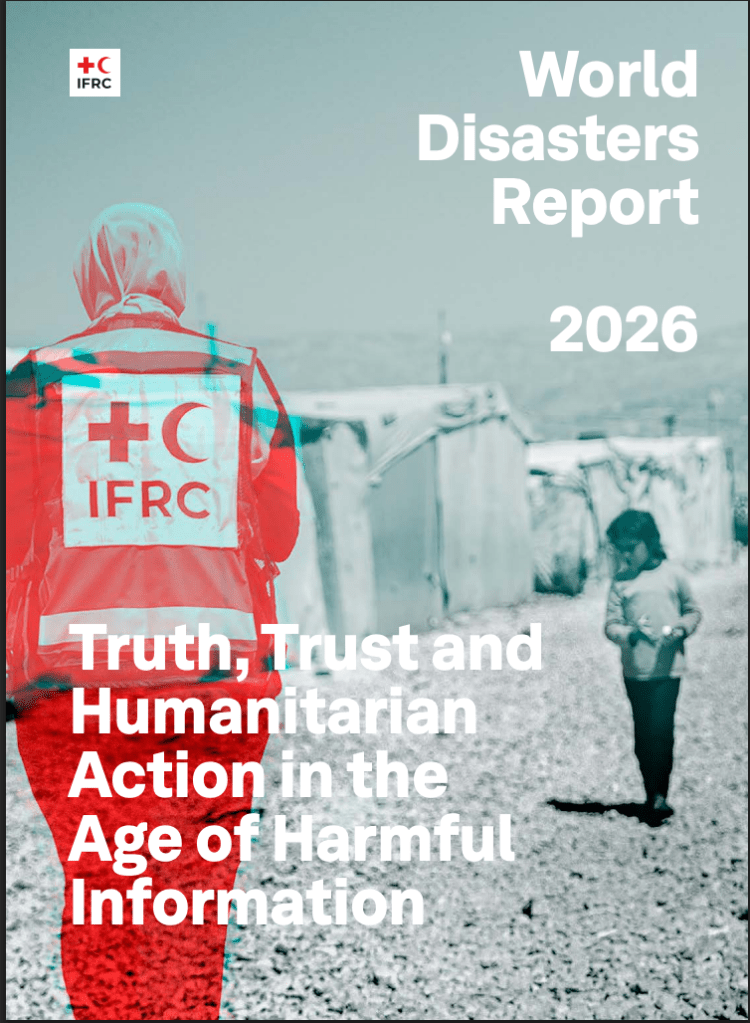
The most recent IFRC World Disasters Report underscores the growing influence of misinformation and disinformation during emergencies. When people cannot rely on trusted information, lifesaving interventions—from vaccination campaigns to emergency assistance—can face resistance, delay, or even rejection.
A powerful example emerged during the COVID-19 pandemic while working with Indigenous and other last-mile communities in Latin America. In several remote areas, many communities resisted public health interventions. This resistance often stemmed from deep mistrust of authorities and from cultural perspectives that understand disease in fundamentally different ways.
In Peru, for instance, health workers were at times labeled “White Devils” and accused of bringing the virus into the community. These beliefs were rooted in traditional conceptions of illness and were reinforced by limited access to accurate and culturally appropriate information. Public health messaging was often delivered in only one language and failed to reflect communities’ own perspectives on health and healing. As a result, misinformation spread quickly through word of mouth and was sometimes reinforced by local leaders.
Addressing these challenges required approaches grounded in dialogue and cultural understanding. Intercultural engagement helped uncover and bridge different perceptions of illness and treatment. By working closely with trusted religious and community leaders, responders were gradually able to dispel harmful rumors and promote the value of vaccination in ways that respected local beliefs and customs.
These experiences highlight an important lesson: building trust goes far beyond sharing information. It requires genuine listening, openness to different cultural perspectives, and a commitment to transparency throughout the response process. When responses rely on one-size-fits-all communication strategies or outdated assumptions, they risk alienating the very communities they seek to support.
Another persistent challenge in humanitarian contexts is how responders are perceived by communities. In politically polarized environments, humanitarian actors may be viewed as aligned with authorities—or, paradoxically, as opposing them—sometimes both at once. These conflicting perceptions can increase risks for frontline workers and complicate access to people who need assistance.
To navigate these realities, humanitarian organizations need stronger tools and training to monitor and respond to misinformation, disinformation, and harmful narratives. Clear guidance, improved coordination, and better documentation of how information disorders affect humanitarian access and safety are essential.
Ultimately, the most sustainable solutions begin at the community level. Strengthening digital and information literacy, supporting culturally sensitive dialogue, and consistently monitoring community trust can help foster critical thinking and informed decision-making. In a world where information travels faster than ever, trust remains one of the most important foundations of effective humanitarian action.
If you want more information about this topic, you can find it in the IFRC World Dissaster Report 2026: https://www.ifrc.org/document/world-disasters-report-2026

 Inside the feedback loop
Leave a comment